by Edi Birsan
Ten years ago, when License Plate Readers were first introduced in Concord, I strongly objected.
My objections were straightforward: unacceptable access to the data without prior verified cause; retention of access to the information; and the danger that the information could be used for purposes beyond investigating crimes. I even specifically mentioned the danger of using the system for ICE hunting.
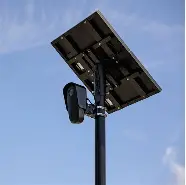
Years later, the Flock system came in to replace what we already had. I was assured that my concerns had been addressed. For years, there was no abuse in Concord. So, I voted for expansion because I believed we had control over access.
Recently, community groups have raised legitimate concerns. The debate weighs the acknowledged benefits, particularly crime fighting and crime prevention, against privacy concerns and the possibility of individual or systemic abuse including political weaponization by federal agencies, or misuse by ICE.
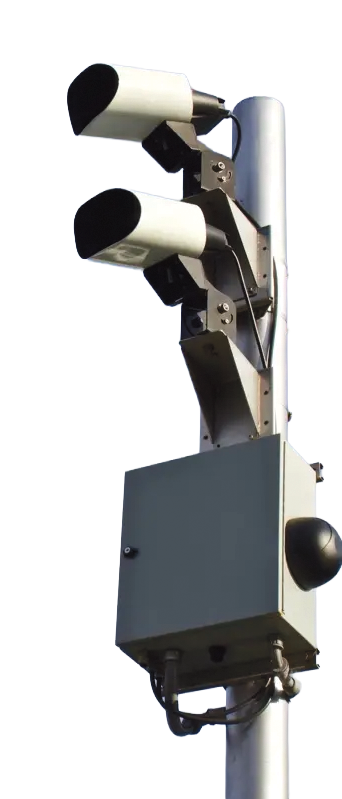
License plates are placed on vehicles for the purpose of identification. Amber Alerts can be sent to millions of people asking them to look for a particular license plate, but Flock cameras simply have better “eyesight” than a person standing on the street.
The important question is what constitutes reasonable cause for a search and whether we can demonstrate that Concord’s current contracts and policies actually require reasonable cause access to the information.
At a community roundtable, it was reported that approximately 65 police employees nationwide have been found abusing Flock systems. For example, checking on their children’s latest romantic interest or monitoring someone of personal interest.
Such abuses are generally addressed through discipline or termination. While such conduct is unacceptable, its scale does not necessarily represent the greatest threat to society.
Concerns over systemic abuse.
Can information collected for local crime investigation be accessed by other agencies, including ICE, and used to broadly pursue people for past immigration and misdemeanor violations.
Any agency with access could potentially abuse the system if it gets to define what constitutes “reasonable cause” rather than a more specific authorization protocol.
For example, according to my grandmother, the Birsan-Ersalesi-Zaferou family has included thieves wanted by the Byzantine Empire, looters with Alexander the Great in Persepolis, and a draft dodger from the Turkish army. With such a shady history, is it reasonable to ask where my foreign-built white Hyundai is at all times?
How serious is the problem?
Several years ago, Council discussed auditing access to the system to identify abuses.
We should determine whether there have been abuses in Concord, if any harm has occurred, and exactly who can access the information. We should also examine the contractual arrangements governing the flow and retention of the data and determine whether simple amendments could provide stronger protections should an audit identify such need.
Can we prove that Concord’s system is not exposed to the abuses we fear? Is there a legal remedy to challenge searches that could be considered unreasonable?
Once we know the facts, we can have more productive discussion about what should be done. In the meantime, I want the criminals to get the Flock out of here.
Opinions above are those of Edi Birsan, reachable at EdiBirsan@gmail.com. If you’re interested in my “Dirty Dove” car, it spends at least eight hours a day parked around Oak Grove and Chalomar. No need to Flock me up.