by nell Fleihmann
Nell Fleihmann, Oakland, is 103 years old and is the mother of Jack Fleihmann of Concord. She is one of a very few people still alive to tell the story of living through Germany occupation during World War II.
In 1933, Neil lived in Holland. She was only 10 years old and would have no understanding that Hitler’s rise to power in Germany would relatively soon change her life. It was sudden.
She has written her experience of life under the German occupation of the Netherlands in a 50-page booklet that she has shared with the Diablo Gazette.
This is the fifth installment of her story. You can find the first four installments from previous editions at diablogazette.com beginning with the February 2026 issue
September 5, 1944, Crazy Tuesday in Dutch, Dolle Dinsdag
Rumors were spreading that our liberation by Allied forces was at hand. They had conquered Antwerp, in Belgium, and it was thought that the Allied forces would march on and liberate the Netherlands.
Germans and Dutch collaborators, who had openly sympathized with the Germans, began to panic and fled to Germany. It was a day of great confusion in many parts of Holland.
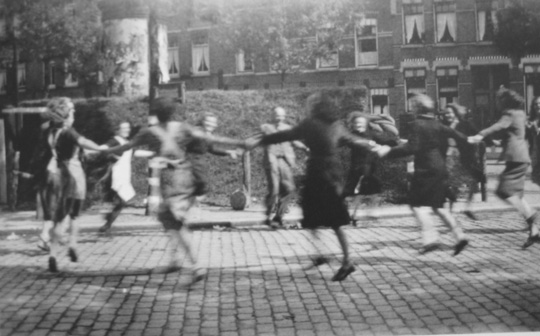
Unfortunately, the Germans were able to stop the advancing allied forces. Most of the south and east of the country was liberated in October 1944. The people there went berserk and celebrated their freedom from the oppressors.
The western part of Holland had to wait six more months until they were liberated. And so began the worst part of the occupation for my family and myself. On September 17 railway strikes began and the supply routes from and to Germany were almost completely stopped.
Hunger Winter of 1944-1945.
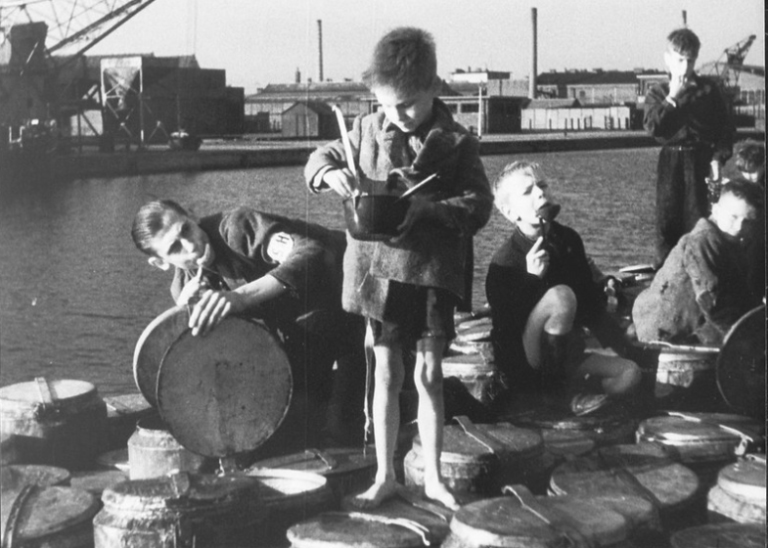
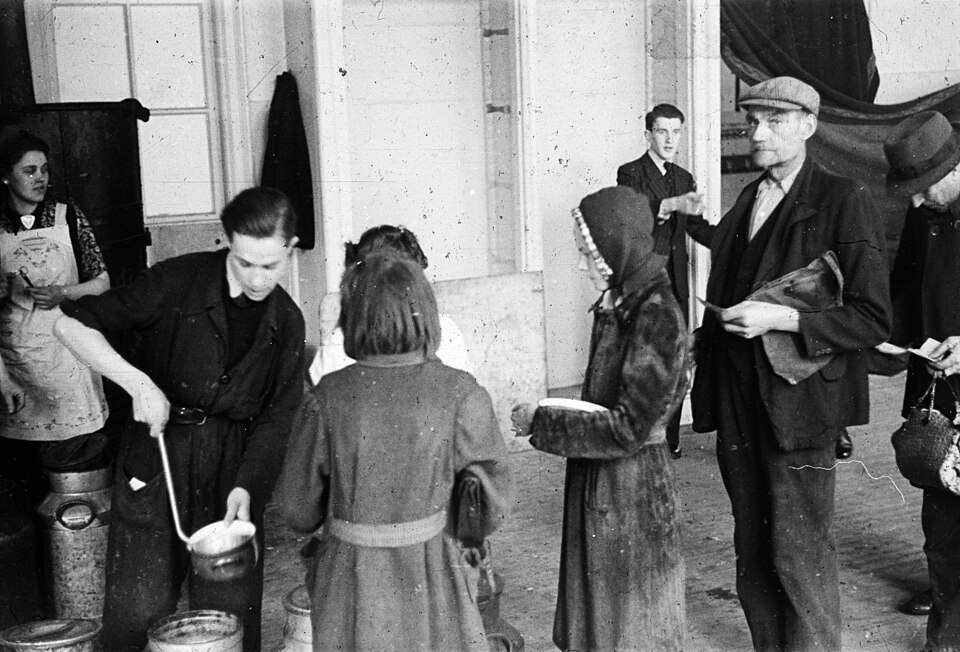
In October 1944, the Dutch government in exile in London called for a national railway strike in all of Holland to hinder German military activities. In retaliation the German authorities blocked all food supplies to the occupied west of the country. Now the food situation became very dire. This was premeditated slow starvation.
In the cities people were dying from malnutrition, especially babies. In all 20,000 Dutch Persons died. Sometimes our doorbell would ring and a total stranger would ask for just one potato, which we always gave.
Tmus and I bemoaned the loss of Bobby, our fox terrier. He had suddenly disappeared. It had been bothering my father more and more that the dog was being fed table scraps. My mother explained to her daughters that Bobby had been given away to the milkman who could feed him better. We never quite believed that story but preferred not to know and always wondered what really happened. Bobby was my sister’s dog and was very mischievous.
The hunger winter of 1944/45 was the coldest winter in years; there was no coal, a few hours of electricity and no gas. We heated only one room with coal bought on the black market, and went to bed right after our meager dinner, since there was no light to read by and sleep would keep at bay the hunger and cold.
For a month or two there was no water. Neighbors at our end of the street got together and had a well dug in someone’s back yard. Each person was allotted one pail of water a day. My father, though weak from hunger, made daily trips to fetch us water in buckets.
The shortages of food were mostly felt in Amsterdam, The Hague, Rotterdam and surroundings, which is where we and my oldest brother lived.
Piet got married in 1944. His wife became pregnant with twins. The babies, Peter and Willem Van Altena were born five months after the war ended. She made do with homemade diapers, and secondhand baby clothes.
Marion, the wife of my other brother Fred, had given birth to her oldest daughter during the worst of all times, in January 1945. The baby was born in a school, where they had improvised a maternity ward in a big hall. When the warm baby entered this world in a freezing cold room, steam was rising from her little body.
The baby survived that winter and Ineke Vandenburg Van Altena is now 70 .years old. (as of this writing)
Next month, “Foraging for Food”