by David King, Publisher, Diablo Gazette
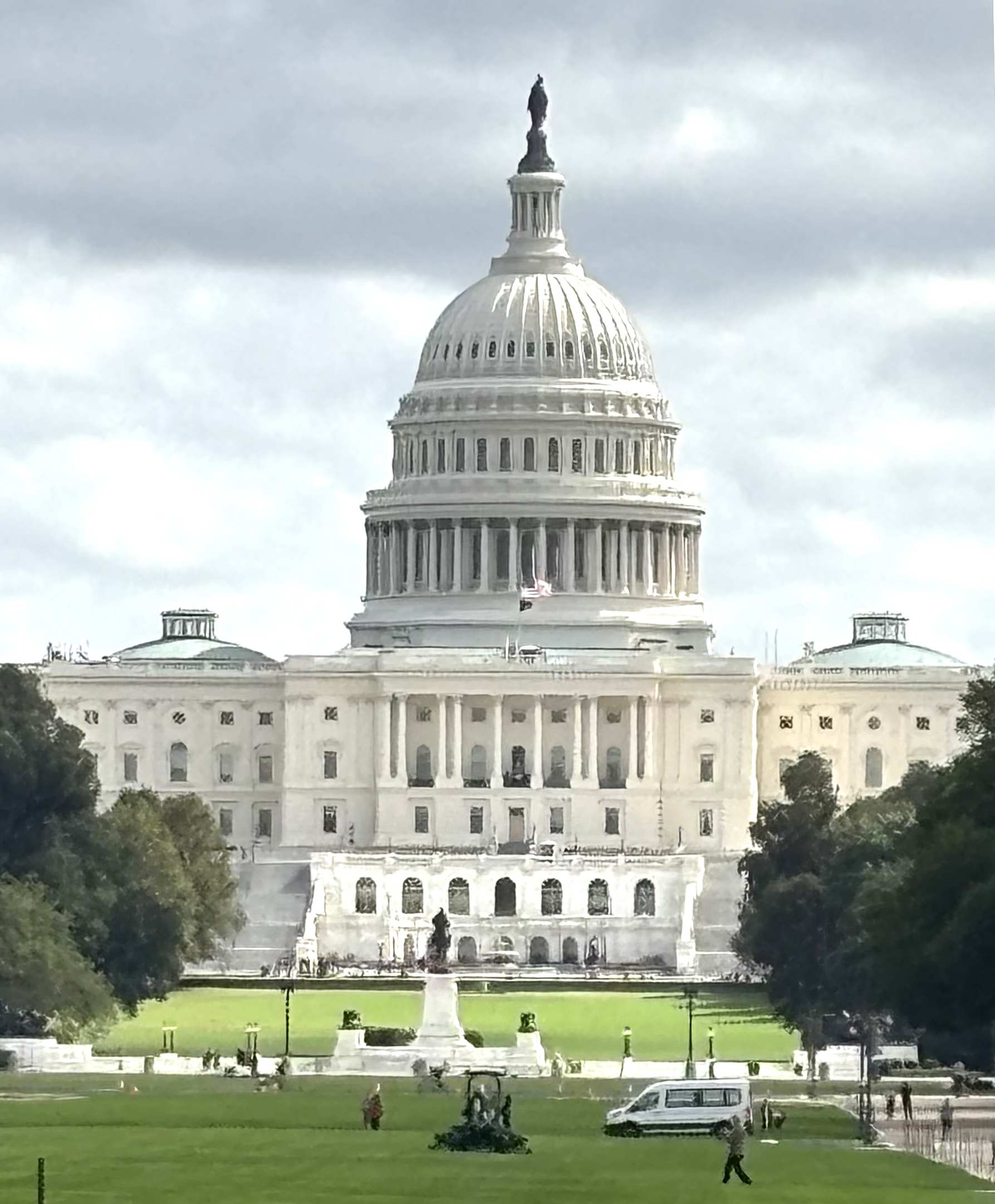
I never imagined that my first trip to Washington, D.C., would involve walking the halls of Congress, meeting with congressional staff, and discussing federal legislation that could have a direct impact on my business and the small businesses that support our local community. But sometimes, an opportunity comes along that makes you realize your voice deserves to be heard. In my case, it was a little like Mr. Smith Goes to Washington.
It started when a business associate approached me on behalf of the Small Business Payment Alliance (SBPA), an advocacy organization representing small business owners concerned about public policy. The organization was encouraging small business owners to share their experiences with members of Congress and explain the harm this bipartisan proposed Durbin-Marshall Credit Card Competition Act would have on small businesses. I was honorred ot be chosen for this effort.
The Durbin-Marshall Credit Card Competition Act is being promoted as a way to increase competition among credit card processing networks and lower transaction fees. The legislation would require large financial institutions to offer additional payment network options when processing credit card transactions.
While that might sound like a straightforward effort to reduce costs, a similar act in 2010 affecting debit cards caused banks to lose billions, and recapture those losses by stopping free checking, increase checking fees, and shutting down debit card rewards. The opposite of the Bill’s goal.
For businesses like those advertising in the Diablo Gazette, credit cards are more than a convenient way to pay. They are an important financial tool. Credit cards allow business owners to manage cash flow, extend purchasing power, and take advantage of the security and consumer protections associated with electronic payments.
My concern is that this legislation could disrupt a system that millions of small businesses depend upon. Potential consequences include reduced access to credit, diminished credit card rewards and benefits, and increased exposure to fraud if transactions are routed through networks that may not offer the same levels of security. If paying by credit card becomes less attractive or less secure, small businesses and their customers could ultimately pay the price.
When those businesses struggle, publications like ours feel the impact, too. Taken together, these unintended consequences could further hollow out America’s downtowns, leaving fewer independent businesses and more corporate megastores.
With that perspective in mind, I jumped at the opportunity to travel to Washington, D.C. It would be my first visit to our nation’s Capital, and I would have the opportunity to share my firsthand experiences with members of Congress and their senior staff. I was one of 10 small business representatives that came from what seemed like a random group of states: California, Wyoming, North Carolina, and Massachusetts.
I wasn’t quite sure what to expect. Having watched countless movies and television shows depicting Washington politics, I imagined grand congressional offices, impressive conference rooms, and perhaps a little Hollywood glamour. The reality was somewhat different.
Walking through the Capitol complex and entering congressional office buildings was certainly surreal. There is an unmistakable feeling that you’re somewhere important. But the actual meetings take place in relatively small, sometimes cramped offices. You sit around a conference table, introduce yourself, explain why you’re there, and quickly realize that everyone has a very full schedule.
There is also a sense that the congressional staff is already thinking about the next meeting. And understandably so. Their responsibility is to meet with lobbyists, constituents, business owners, and advocacy organizations, ask relevant questions, take detailed notes, and communicate those perspectives to their bosses, the members of Congress.
It’s a fascinating process and an eye-opening look at how our government actually works. Throughout the day, I met with policy staff from several five different congressional offices, sharing my perspective alongside the other small business owners.
We weren’t there to make complicated political arguments or deliver elaborate speeches. We had a simple message: Please understand how this legislation could affect the small businesses in your communities before moving forward. As I would state in each office, small businesses make up the character of a town, and in large cities a neighborhood. Protect them, you save the town.
What struck me most was the realization that I wasn’t alone. Every year, thousands of Americans make similar trips to Washington. They are business owners, parents, educators, farmers, community leaders, and ordinary citizens who take time away from their jobs and families to make their voices heard. They may not have political titles or Washington connections, but they have something equally important: firsthand experience with the policies Congress is considering.
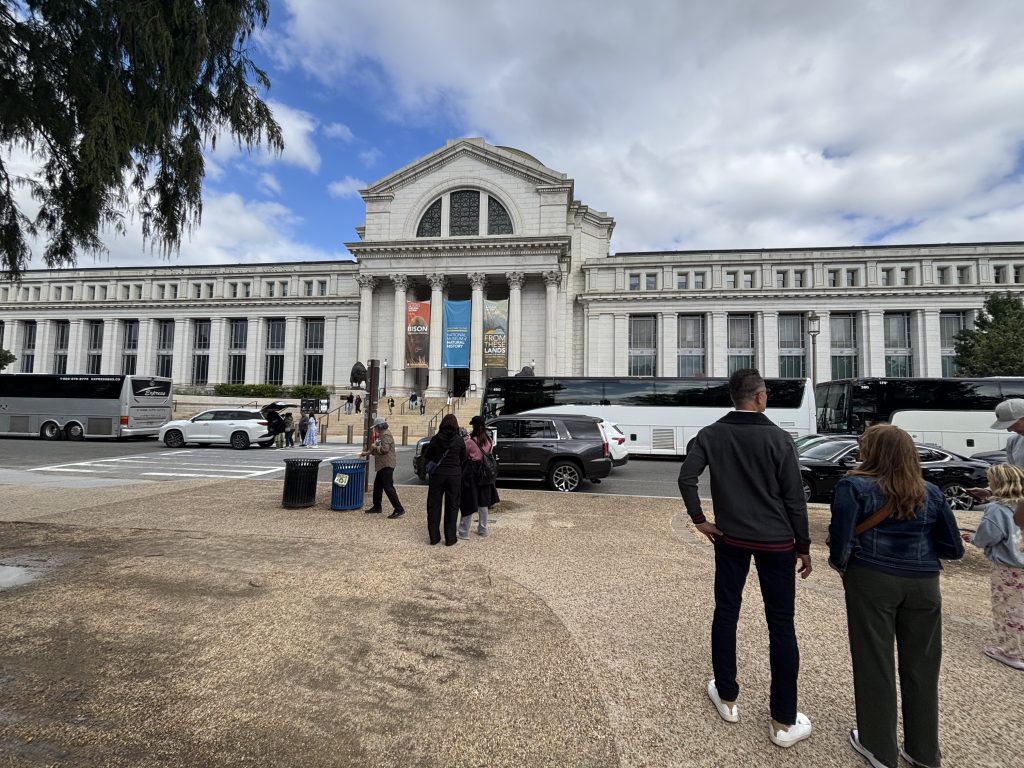
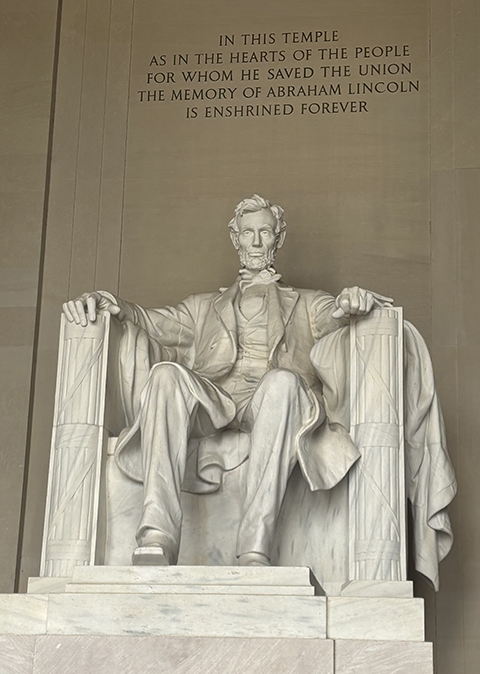
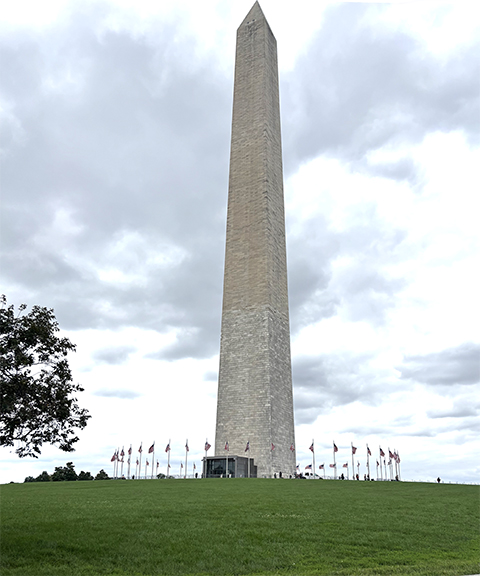
While I was in DC, China President XI arrived, The security for that closes half the main streets in town. A four-minute Uber ride took 45 minutes. Because of traffic, before I returned to Concord, I took a walking tour to three Smithsonian Museums and over to the Washington Monument and Lincoln Memorial, Vietnam Memorial, and Arlington Cemetery all on foot in my one free day for the week.

I returned home with a greater appreciation for the legislative process and a renewed belief in the importance of citizen participation. You don’t have to be a lobbyist, a politician, or a corporate executive to have a seat at the table. Sometimes, you just have to be willing to show up.
And if my first trip to Washington taught me anything, it’s that the American political process still has room for a little bit of Mr. Smith.